AlphaProject
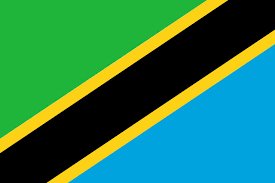
Tanzania & Zanzibar
 Why invest in Tanzania
 Why invest in Tanzania
About Tanzania
Tanzania is a country located in East Africa, bordered by Kenya and Uganda to the north, Rwanda, Burundi, and the Democratic Republic of the Congo to the west, and Zambia, Malawi, and Mozambique to the south. To the east, it has a coastline along the Indian Ocean. The country is known for its diverse landscapes, including the Serengeti National Park, famous for its annual migration of wildebeest and zebras, and Mount Kilimanjaro, the highest peak in Africa. Tanzania’s diverse ecosystems also encompass the Zanzibar Archipelago, which includes the islands of Zanzibar and Pemba, known for their rich cultural heritage and stunning beaches.
Tanzania has a rich cultural history influenced by its diverse ethnic groups, including the Sukuma, Chaga, and Maasai, among others. Swahili and English are the official languages, with Swahili being the lingua franca of the country and a symbol of national unity. The country’s cultural heritage is celebrated through various festivals, traditional music, and dance, reflecting the vibrant and dynamic nature of Tanzanian society.
The economy of Tanzania is primarily based on agriculture, which employs the majority of the population. The country is also known for its rich natural resources, including minerals and natural gas. Tourism plays a significant role in the economy, attracting visitors to its national parks, wildlife reserves, and picturesque landscapes. Despite challenges such as poverty and infrastructure development, Tanzania continues to make strides in economic growth and social development.
Economical Indicators
Tanzania’s economy is characterized by a mix of agriculture, industry, and services, with agriculture playing a central role. Here are some key economic indicators:
GDP and Growth: Tanzania has experienced steady economic growth over the past decade, with GDP growth rates averaging around 6-7% annually prior to the global COVID-19 pandemic. The economy is diversifying, with increasing contributions from sectors such as mining, tourism, and manufacturing. In recent years, growth has moderated but remains positive, reflecting resilience amidst global economic challenges.
Inflation: Inflation in Tanzania has fluctuated, influenced by factors such as food prices, fuel costs, and exchange rate movements. Historically, the inflation rate has varied between 3% and 7%, with efforts by the government to maintain price stability through monetary policy and fiscal measures.
Trade and Investment: Tanzania’s trade balance shows a persistent deficit, primarily due to imports of capital goods and consumer products outweighing exports. Major exports include gold, coffee, tea, and tobacco, while imports include machinery, fuel, and vehicles. The government is actively seeking to attract foreign investment, especially in sectors like mining, energy, and infrastructure.
Employment and Poverty: The majority of Tanzanians are employed in agriculture, though there is a growing focus on industrialization and service sector expansion. Poverty remains a challenge, with a significant proportion of the population living below the national poverty line. Efforts are underway to improve living standards through economic reforms, infrastructure development, and social programs.
External Debt and Aid: Tanzania carries external debt, which is managed through international financial institutions and bilateral agreements. The country also receives foreign aid and development assistance to support infrastructure projects, health programs, and education initiatives.
Overall, Tanzanias economy is evolving, with a focus on diversification and development to achieve sustainable growth and improve living standards.
Success Stories

Tanzania Port
The Port of Dar es Salaam is Tanzania’s largest and busiest port, handling a substantial portion of the country’s imports and exports. Its strategic location along the Indian Ocean makes it a crucial gateway for landlocked countries in East and Central Africa, including Zambia, Malawi, and the Democratic Republic of the Congo.

Tourism
The Serengeti, renowned for its vast savannahs and abundant wildlife, is a UNESCO World Heritage Site and one of the most iconic safari destinations in the world. Its success story is marked by

Mining
Located in the Geita Region, the Geita Gold Mine is one of Tanzanias largest and most significant gold mining operations
Nich Business and Investment Opportunities
-
1Specialized E-commerce Platforms
Niche e-commerce platforms that cater to specific interests or demographics are gaining traction. This can include platforms for artisanal goods, specialized hobby products, or subscription services for niche markets (e.g., gourmet foods, rare collectibles). By focusing on a specific target audience, these platforms can offer personalized and unique products or services that larger retailers may not provide.
-
2Health Tech and Telemedicine
The health tech sector, particularly telemedicine, has seen significant growth, especially accelerated by the COVID-19 pandemic. Opportunities in this niche include developing innovative telehealth platforms, wearable health devices, and AI-driven health diagnostics. As healthcare continues to shift towards digital solutions, investing in health tech can position you at the forefront of this expanding field.
-
3Sustainable and Eco-Friendly Products
With increasing awareness of environmental issues, there is a growing demand for sustainable and eco-friendly products. This niche includes areas such as biodegradable packaging, eco-friendly personal care items, and sustainable fashion. Investing in businesses that produce or sell these products can tap into a market that values environmental responsibility and sustainability.